


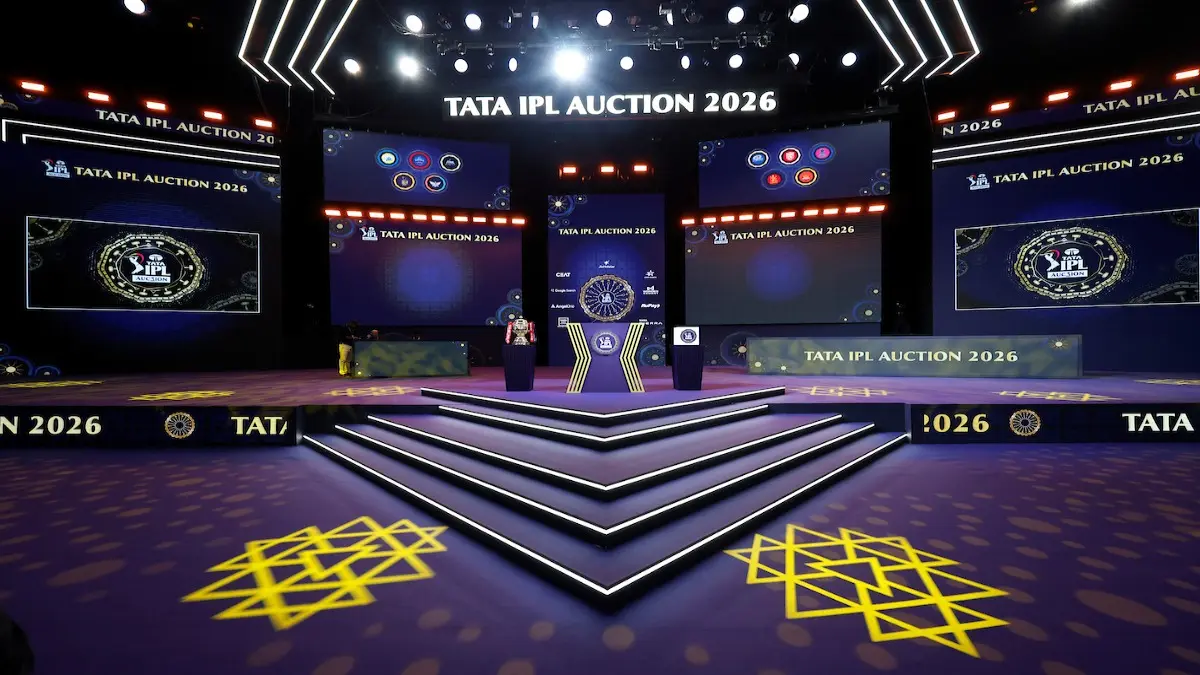
The 2026 mini auction has left the league with a very modern feel, where most teams bat deep but live with calculated risk in their bowling groups, and that will shape the entire 2026 season.
Overall shape of IPL 2026 team combinations
Across the ten teams, IPL 2026 team combinations have been built on continuity, not chaos, after the mini auction in December 2025. Squads were largely retained from the 2025 cycle, with the auction used to add specific skills such as left arm pace, high pace finishers or top order anchors for the 2026 season.
The combined spend on 77 players has created a clear split between sides who chased star all rounders and those who invested in role specialists, and that is visible in how IPL 2026 team combinations line up on paper. In simple terms, most teams now stretch the batting to number seven or eight and rely on three frontline quicks plus matchup spin to get through their overs.
Kolkata and Chennai strengths and weaknesses
Kolkata Knight Riders emerged from the mini auction with one of the most complete IPL 2026 team combinations, adding Cameron Green to a core already built around quality spin and home advantage. Green’s record fee reflects the idea that he can bat in the top four, bowl with the new ball and still offer a power option at the death, which unlocks extra combinations around Sunil Narine and Varun Chakravarthy.
The strength for Kolkata is a multi-dimensional middle that can adapt to pitches and game states, with several players who can float up or down the order. The weakness is that the pure Indian pace depth still looks a touch thin if injuries or form issues hit, which could leave them over reliant on overseas quicks in the second half of the 2026 season, even with strong IPL 2026 team combinations on paper.

Chennai Super Kings, by contrast, have prioritised control and flexibility rather than sheer star power in their IPL 2026 team combinations. A bigger auction purse allowed them to retool the squad around Ruturaj Gaikwad and a familiar spin heavy template, with fresh investments in pace bowlers who can hit the deck and bowl at the death.
Their strength remains the ability to squeeze teams in the middle overs on turning tracks, backed by clever match ups and a deep pool of spin options. The concern is that death bowling still looks like the most fragile part of the side and the lower order finishing is not as intimidating as some rivals, which might hurt them on the truer surfaces they will encounter away from home in 2026.
Mumbai, Delhi and Gujarat combinations
Mumbai Indians entered the mini auction with very little money left, so their IPL 2026 team combinations have changed less than most. That continuity can be a strength, with a settled batting core and a world class pace spearhead, but it has also forced them to gamble on cheaper options to round out the bowling.
The main strength for Mumbai is the familiarity and ceiling of their first choice eleven, especially on batting friendly pitches where their top six can overwhelm opponents. The weakness is the drop off once they move past that best side, as the bench depth among domestic bowlers is modest, which could be exposed over a long 2026 season if injuries strike key fast bowlers.
Delhi Capitals used the 2026 mini auction to address structural issues that had nagged them for two seasons, and their IPL 2026 team combinations look more balanced as a result. Overseas signings have been tailored to roles, with top order stability, left hand hitting and a seam bowling all round option all arriving to support a still talented local core.
Delhi’s strength is now a batting unit with clearly defined roles from one to seven, capable of both setting and chasing targets without relying on one or two players to do the heavy lifting. The weakness is that behind their first choice pace attack, the backup quicks and death specialists remain unproven at this level, which could leave them vulnerable in tight finishes in 2026.
Gujarat Titans again look quietly efficient rather than spectacular in their IPL 2026 team combinations. They have reinforced their top order and maintained a strong seam group, giving them solid options for powerplay bowling and late innings hitting, while the leadership structure has enough experience to steer close chases.
Royal Challengers, Rajasthan and Lucknow
Royal Challengers Bengaluru approach the 2026 season as defending champions with IPL 2026 team combinations that lean heavily on a settled core. The clever addition of Venkatesh Iyer at a far lower price than his peak auction value offers a left handed batter who can slot in at number three and provide a few overs of medium pace.
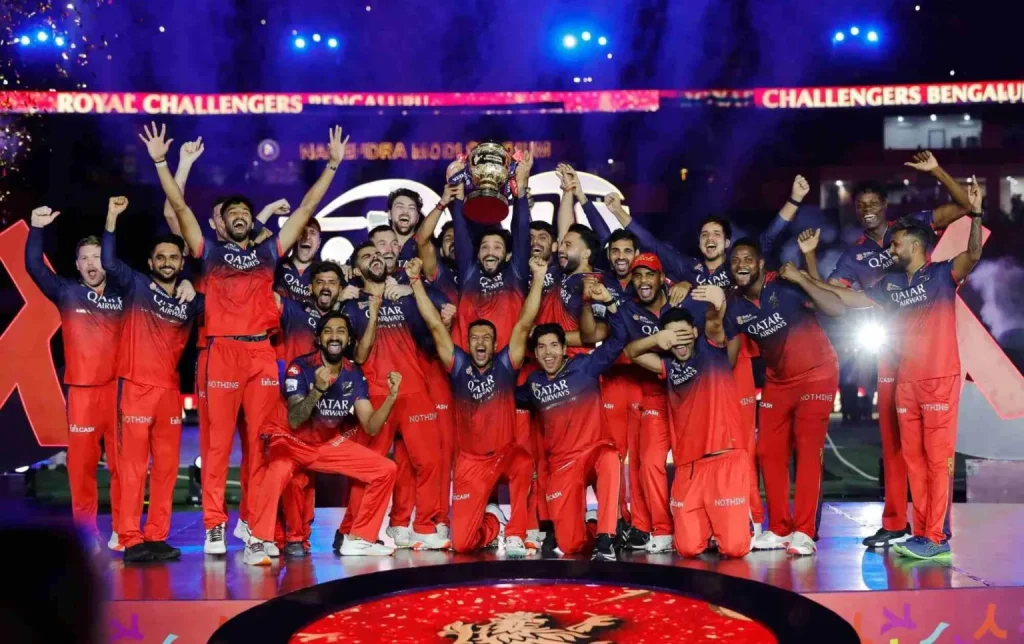
The strength for Bengaluru is that they finally have both balance and identity, with multiple seamers, a more reliable spin option and a batting order that no longer looks thin after the top three. The weakness is that their spin department, while improved, still does not look as imposing as some rivals on slower pitches, which could matter in away games late in the 2026 league phase.
Rajasthan Royals have arguably the most intriguing IPL 2026 team combinations, stacking the side with multi skill players. The presence of Ravindra Jadeja and Sam Curran alongside Riyan Parag and a fit again Jofra Archer means they can field seven or even eight bowling options without weakening the batting.
The obvious strength is flexibility, both in batting order and bowling plans, which suits the match up heavy approach that defines modern T20 in 2025 and 2026. The weakness is that they may be slightly short on traditional anchoring batters if early wickets fall, and Archer’s fitness will still feel like the single biggest variable in whether these IPL 2026 team combinations deliver a serious title tilt.
Lucknow Super Giants have again gone for a balanced but slightly conservative approach to IPL 2026 team combinations. A strong top order led by KL Rahul and supported by quality all rounders provides structure, and there is enough batting till seven to keep them competitive on most surfaces.
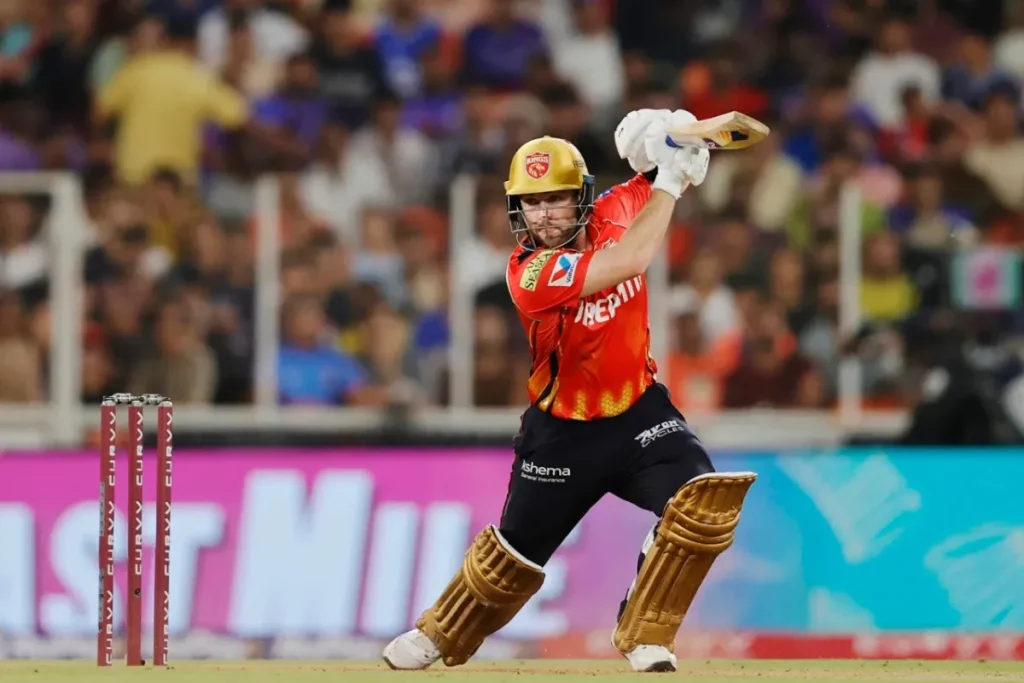
Their strength is the middle order versatility and the presence of all rounders who allow multiple bowling combinations without unsettling the batting. The weakness remains death bowling under pressure and the need for more consistent overseas contributions, an issue that has followed them through previous seasons and still hangs over their 2026 campaign.
Sunrisers, Punjab and overall 2026 landscape
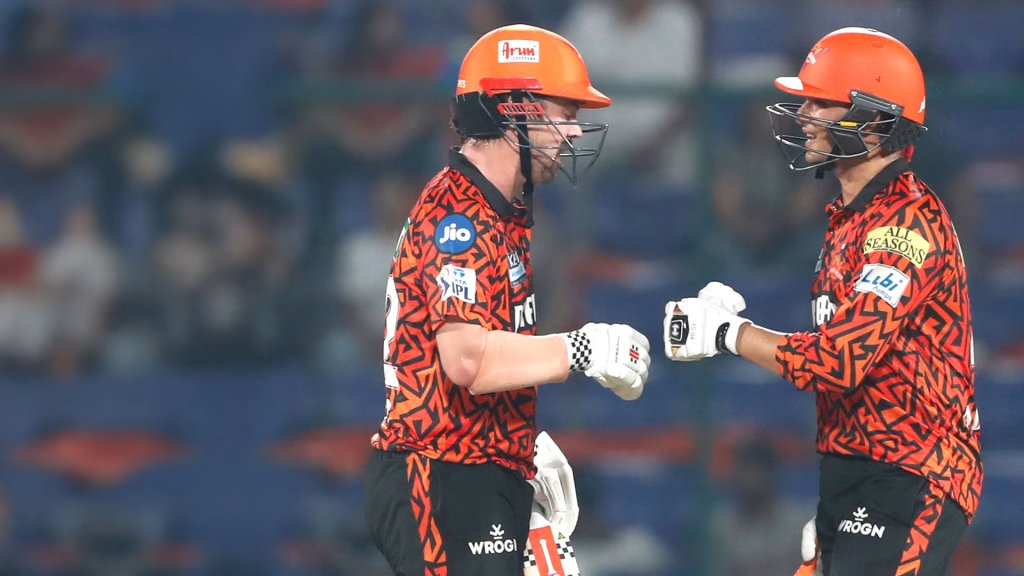
Sunrisers Hyderabad possess one of the more explosive top orders in the league, which keeps their IPL 2026 team combinations dangerous in any chase. The mini auction spend has leaned towards batting again, and while that makes them must watch viewing, it leaves the bowling attack looking thin on proven wicket takers, especially in spin.
The strength for Sunrisers is their ability to blow games open in the powerplay and early middle overs with the bat, which will always give them a puncher’s chance. The weakness is a lack of a high-class attacking spinner and a slightly vulnerable pace group once the new ball shine is gone, a combination that can leak runs badly in the 2026 season.
Punjab Kings have made changes but the fundamental picture of their IPL 2026 team combinations feels familiar. They have power through the order and a couple of genuine match winners, yet still look short of a nailed on death specialist and a bankable finisher who closes tight chases.
The strength is batting depth and the capacity to post big totals when conditions suit, helped by aggressive intent throughout the line up. The weakness is that in the key overs at the end of each innings they still lack the clarity and personnel that the best sides have, which may again be the difference between mid-table and playoff contention in 2026.
Taken together, IPL 2026 team combinations point towards a season where tactical flexibility and fast adjustment to conditions will matter as much as raw talent. Squads are deeper, roles are more defined, and the sides that manage workloads and match ups best through the 2026 campaign are the ones most likely to turn auction theory into a trophy.