




The FIFA World Cup has always been about more than just lifting the trophy. Every tournament creates its own storylines, heroes, disappointments and defining moments. As the football world turns its attention toward the 2026 FIFA World Cup in the United States, Canada and Mexico, several nations appear destined to shape the narrative of the competition.
Some arrive as established champions carrying the weight of expectation. Others are rebuilding with exciting young talent and a renewed sense of purpose. Together, these twelve teams represent the nations most likely to influence how the tournament unfolds.
This is the first part of SportsKindle’s 2026 FIFA World Cup series examining the teams that could define the biggest football tournament in history.
Argentina
Few teams enter the tournament with greater confidence than Argentina. The reigning world champions have successfully balanced experienced leaders with an emerging generation of talent.
While much attention remains focused on Lionel Messi’s future, Argentina’s strength now extends beyond one individual. The squad possesses quality in every area of the pitch and has developed a clear identity under Lionel Scaloni.
The challenge will be maintaining the hunger and intensity that carried them to glory in Qatar.
Spain
Spain’s resurgence has been one of the most impressive stories in international football. A generation led by young stars has restored excitement and unpredictability to a national team once criticized for lacking attacking threat.
The emergence of Lamine Yamal symbolizes a new era for Spanish football. Combined with a technically gifted midfield and an increasingly balanced squad, Spain has every reason to believe another World Cup triumph is within reach.

France
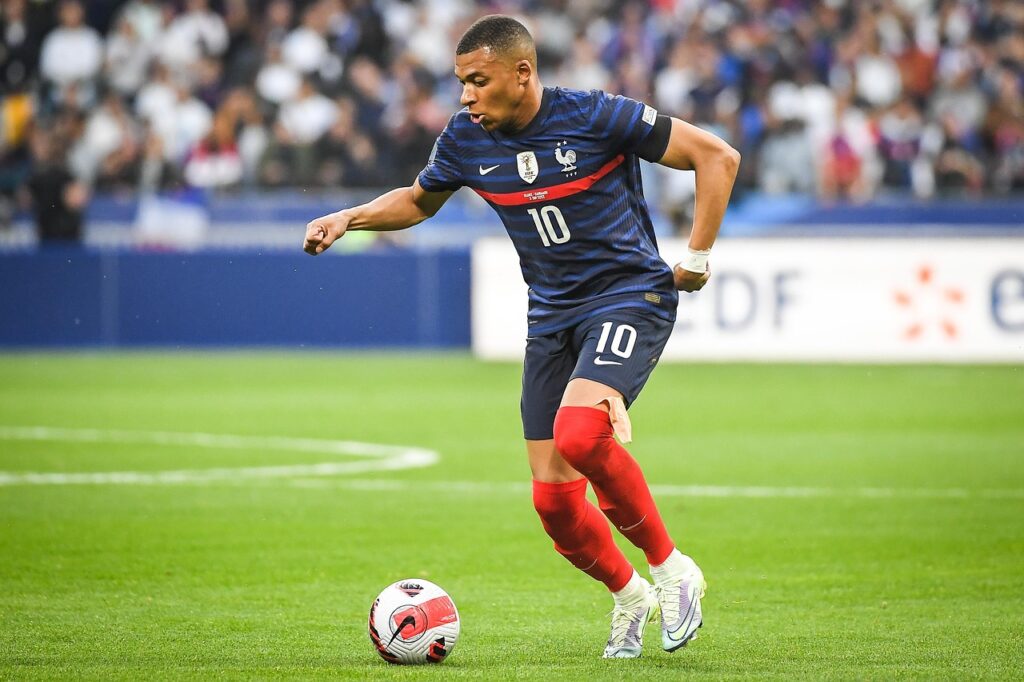
France continue to possess perhaps the deepest talent pool in world football.
Few nations can match the quality available across every position. Their blend of elite attackers, dynamic midfielders and athletic defenders makes them a constant threat in major tournaments.
The key question is whether France can transform individual brilliance into collective dominance over the course of a demanding World Cup campaign.
England
England have consistently reached the latter stages of major tournaments in recent years, but the pressure to deliver silverware continues to grow.
The squad contains world class players competing at the highest level of club football. With Jude Bellingham, Bukayo Saka and several established stars entering their prime years, expectations will be enormous.
The challenge for England is no longer talent. It is turning potential into trophies.
Brazil
No nation carries greater World Cup history than Brazil.
The five time champions remain one of football’s most recognizable forces and possess a new generation capable of restoring their place at the summit of international football.
The emergence of young attackers and technically gifted midfielders provides optimism, but Brazil must prove they can overcome the tactical discipline that has troubled them in recent tournaments.
Portugal
Portugal have quietly assembled one of the strongest squads in Europe.
The nation continues to produce technically gifted players while maintaining a competitive edge developed over the past decade. Whether Cristiano Ronaldo remains involved or not, Portugal possess enough quality to challenge the world’s best teams.
The coming World Cup could represent their strongest opportunity yet to make a genuine push for the title.
Germany
Germany’s reputation ensures they can never be ignored.
Although recent tournaments have been disappointing by their standards, signs of recovery have begun to emerge. The country continues to produce intelligent, versatile footballers capable of thriving on the biggest stage.
A successful campaign in 2026 FIFA world cup would complete one of international football’s most significant revivals.
Netherlands
The Netherlands consistently remain among the most fascinating teams in world football.
Their commitment to technical excellence and tactical innovation has produced generations of elite players. While they have often fallen short of ultimate success, they continue to possess the quality required to challenge the tournament favorites.
The question is whether this generation can finally achieve what previous Dutch teams could not.

Uruguay
Uruguay’s influence on world football has always exceeded the size of the nation itself.
Their identity is built on resilience, competitiveness and an unwavering belief in their ability to compete with larger football powers. A blend of experienced leaders and emerging talent makes Uruguay one of the most dangerous teams outside the traditional favorites.
Morocco
Morocco changed perceptions during the 2022 World Cup.
Their remarkable run demonstrated that tactical organization, collective belief and technical quality can overcome more established opponents. The challenge now is proving that success was not a one time achievement.
A strong performance in 2026 FIFA world cup would confirm Morocco’s place among football’s emerging elite.
Japan
Japan continue to develop into one of the most consistent and sophisticated teams in international football.
The increasing number of Japanese players succeeding in Europe’s top leagues has elevated the national team’s quality. Their tactical discipline and technical ability make them difficult opponents for any nation.
Another deep tournament run would surprise nobody.
United States
As co hosts, the United States enter the tournament carrying unique expectations.
The growth of football within the country has accelerated dramatically over the past decade. A talented generation of players now competes regularly in Europe’s strongest leagues, providing optimism ahead of a home World Cup.
The opportunity to inspire a new generation of supporters makes the stakes particularly significant.
Conclusion
Every World Cup creates unexpected heroes and unforgettable stories, but history suggests the eventual champion usually emerges from a relatively small group of contenders. Argentina, Spain, France, England, Brazil and Portugal appear best positioned to challenge for football’s greatest prize, while Germany, the Netherlands, Uruguay, Morocco, Japan and the United States have the talent to disrupt expectations.
As the road to the 2026 FIFA World Cup continues, these twelve nations look set to shape the tournament’s defining moments and perhaps determine who ultimately lifts the trophy.